Mommy Doc
First, the pasta: boil water, add some salt (preferably rock salt, like the kind they used in both kitchens of my grandmothers), then some olive oil to keep the pasta from sticking to each other. Set the timer on your phone. On the twirly pasta packaging it says, “Eleven minutes for al dente, thirteen minutes for the usual.” A scene from a Korean movie I had watched countless times but whose title I can’t recall anymore resurfaces in my mind. The two strangers who fall in love with each other through some kind of timewarp discuss the meaning of “al dente” over some diary entries. He tells her to throw spaghetti on the wall to test for doneness. I look at the faded olive green tiles on the kitchen wall and smile to myself. I imagine throwing the pasta on the wall. I don’t even need to because I’ve discovered that the secret to al dente was 11 minutes. I then remember all the times I would cook pasta for my flatmates, and how they prefer overcooked to al dente. I look to my side, I’m in a different kitchen for the summer and they’re back in their countries. I could cook however I please. Not that they never ate what I cooked. But this time, I could cook wildly for my own pleasure. Kerouac’s words echo in my mind.
Time to add salt and oil to the pot of water that I had begun boiling. I feel the rock salt with the fingers of my memories. I love the coarseness of it in between my fingers. The roughness a sign of nature, of health. I applaud myself for choosing rock salt over table salt. Both my grandmothers and Nana (my maternal grandmother’s cook) would be proud. I remember the round clear plastic container with the bright yellow cover from Nana’s kitchen. I feel the coldness of the weird black porcelain tiles beneath my feet. I am back in my maternal grandmother’s kitchen. I am fourteen, standing in front of the kitchen sink with Nana, just having chopped off the heads of some catfish, shocked at the fact that they’re still jumping all over the cold ceramic sink. It was my job to rub all the rock salt all over the catfish, but I couldn’t at the time as they were still busy jumping. Nana and I laugh. How in the world can this catfish be cooked?!? I love her fried catfish, but cooking it seems to be another story.
I close the lid and wait for it to boil. To feel productive, I begin doing my laundry. Two caps of laundry soap and half a cap lid of fabric softener — a recent discovery. The water is now boiling. I set the timer on my phone. I set it to ten this time. Because surely, with all those thoughts interfering with my cooking, the temperature is now probably too high for an eleven minute al dente outcome. Maybe shaving a minute off the original time could mitigate the situation. I put the pasta in.
I begin to chop a clove of garlic, very much aware of how I wasn’t only cooking for my tastebuds. I laugh as I remember my father: the reason why I couldn’t differentiate a “clove” from a “head.” Once, I was in the midst of googling what I was cooking for my flatmates, when out of vanity (my hands were so dry from all that obsessive compulsive handwashing in between cooking steps) and laziness of not wanting to wash my hands again after holding my phone, I decided to ask them the difference between the two, and which they had preferred. I knew no other flavor than that of finishing all the garlic in the pantry kind of taste that I loved so much.
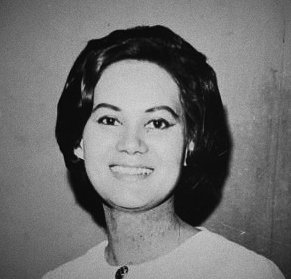
Remembering advice from the culinary school my grandaunt had so kindly sent me to one summer, as thinly as I could, as evenly as I could, I begin chopping. In between each slicing motion, I am transported to a memory of my paternal grandmother’s house. She is a doctor in a tiny town in the mountain province. In this memory, I am possibly ten years old and had just ridden a carabao for the first time that afternoon. I am wearing the butter yellow t-shirt with an orange daisy in the middle of it that my maternal grandmother bought for me, along with these salmon colored jeans. I cringe at the thought of that combination and yet just recently, I bought myself a grown-up version of those jeans — all approved by my flatmate’s stylist brother. I remember my recent shopping spree for summer clothes as I hadn’t any — and to think they were all yellow — butter yellow or mustard yellow. I even had bought a mustard bikini with the thought of channeling Ursula Andress in Doctor No at some point. Really, even after all these years, I am me. I can’t recall why I went there alone, but I did — and so will I later on as an adult in need of therapy.
That evening after her clinic hours and after taking me to ride a carabao in one plot of land that her friends and patients tend to, she tells me that we are going to cook “Tenderloin Tips.” I am to chop onions, pound garlic, and grind whole peppercorns. I remember being so amused at the thought of manually grinding pepper with her marble mortar and pestle. The idea was so new to me — back in Manila, we had pepper but it was already finely milled. She said rock salt and manually ground pepper were better, tastier, and healthier. Or at least that’s what I think.
The pasta in the pot of water looks like a boiling geyser. In the midst of everything happening in the kitchen — the occupied stove, the stainless steel colander waiting by the kitchen sink, the bedsheets in the washing machine, the dirty dishes waiting to be washed — I still honestly don’t know what I’m making. The decision to make pasta was easy because with the combination of pantry leftovers (garlic, cream, pasta, parmesan cheese), it was really, thankfully, the only choice left. Three minutes left till al dente, I ponder on the kind of sauce I am to come up with given what I had. My mind sifts through all the white sauce pastas I had ever tried in my life. I search for a certain taste to match the ingredients I had. I think about whether or not I should start searching for 5-star recipes on Google, then I decide not to. To cook is to paint. And though I cannot paint as well as I had hoped, I discard the fear of coming up with a dish my flatmate’s tastebuds would disapprove of. The pasta is ready to be drained. I pour the pasta together with the hot water into the colander. I save some pasta water as per the advice of my best friend who got it from some popular cooking show chef. I take the olive oil butter from the fridge, take a teaspoon of it, and place it on the same pot I had used to boil the pasta in.
To cook is to paint.
By this time, I had decided to use butter over olive oil for a different flavor. This is when I decide that I am not going to google it. I was to cook it on the fly just as my paternal grandmother taught me how to cook her tenderloin tips. I don’t know the exact proportions of that dish, but all I know is that she had decided that the secret to it was in the grinding of the pepper, the usage of a cast iron grill, the freshness of the beef, the preference of a certain brand of soy sauce. I turn down the heat as the butter is starting to brown. Gently, slowly, I remember. Make sure not to burn the garlic! As I place the bits of it in the pot, my twenty-eight year old self summons the ten year old apprentice in my barrio doctor grandmother’s white tiled kitchen. All I have to do is channel the magic from her whiteboard-doubling-as-kitchen-table kind of ingenuity — she wrote recipes and reminders on one side of the table, the other side was for chopping and eating. I know there’s magic in me somewhere. I know it’s in me because her blood runs through my veins. I close my eyes and ask the memory of my grandmother from 16 years ago and the realness of my grandmother now to please, please help me cook whatever this is that I am inventing. I locate her in my mind’s eye. She, in her home — the one up in the mountains in her barrio — enjoying her 84th year of life quietly. And so I rewind reality with my imagination, and this time, I redo the step and sprinkle the bits of garlic like confetti in the pot of melted gold. I mix it ever so slowly as if I were an alchemist. With my eyes closed, I pray as hard as I can to channel her magic into this concoction. As I twirl the wooden spoon around, I feel the magic, the tangibility of the poetry of this whispered prayer, like golden bolts of thunder streaming through my fingers.
Like droplets of water on a pitcher of water during a hot day, tears begin to stream down my face. Joy and sadness intertwine in this rain of tears. Joy in celebration of her life: how she had so gently lived without burning the garlic despite the difficulties of raising almost 11 children alone so lovingly, including those who weren’t her own. How she had so wonderfully cooked up the best combining all that she had and all that she didn’t have: her time, her intelligence, her heart, and her passion — as a doctor to the barrios knowing fully that on most days this would mean being paid with live chickens, fruits, vegetables, sacks of rice, and sometimes even just tears. How on many occasions, she was the one who was to pay for the medicine her patients could not afford.
Then, there were tears of sadness at the realization that there is no guarantee of meeting in another life. Sometime recently, I dove deeper into my faith, so much so that I had begun to question all that I knew. I do have a god and I do believe in God, but I now have come to understand that whatever version of this God I had come up with in my mind, who am I to say that he is Catholic? Who am I to think that He was to follow rules that have been passed down through centuries by faulty human thinking? I had left for Spain in peace, resting in the fact that Amelia, my paternal grandmother, and Lourdes, my maternal grandmother, had both individually given me their blessings to live out who I am with all my givens. The guilt of being away during their last years was lessened upon hearing them tell me that it was now my time to live my life, to be who I truly was, whatever that meant. It was helped even more by the thought that maybe we were to meet in the next life. Until I realized that if there was a hell, I might end up there and might not ever get to see them again. If there was no hell, but there was no afterlife, then I was never to see them again either. I started sobbing at the thought that all I really had were memories from our past — those three to four times I remember visiting Tabuk, the other times mostly lunches and dinners, and that one breakfast in Sucat or Watering Hole, the calls over Viber with terrible signal, the memory of the first sky that enabled me to unlock a way of being with her spiritually, those times we were in the hospital, and the softest hug that I had ever received in my life. I also had now, but there was nothing to grasp during this “now.” We had tried calls and messages over Viber, but how was I to ask her about her life the way I would if she were my best friend? No holds barred wasn’t going to be possible even if this is what I had so badly desired for so long. With the way we both grew up during our generations and due to our culture, there won’t ever be a tell-all secret session in real life, much more online. The only time I was to have physically with her again would be in a few weeks’ time for maybe almost 2 weeks, and that is it, as I am determined to live abroad for the next 5 years of my life. This choice of becoming who I am entails sacrifices that I know I am capable of enduring but am not sure if I am capable of being strong about.
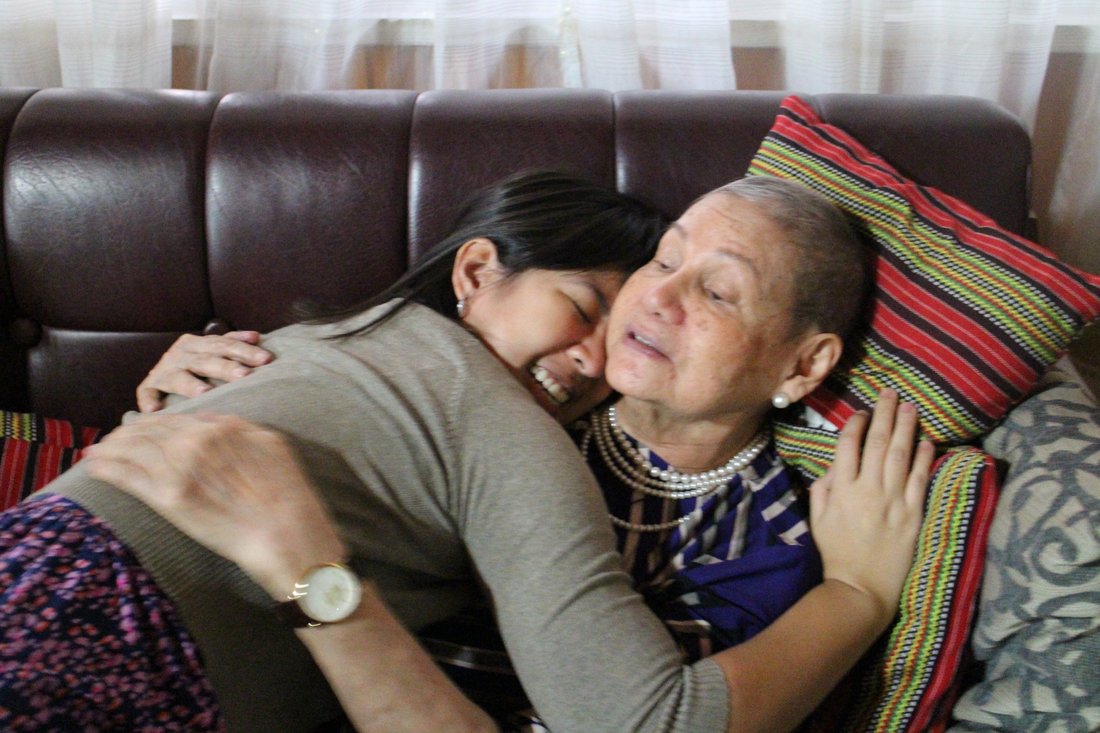
I used to think that it was alright to live my life away from her — in fact she had given me her blessing to live out my full potential, unburdening me of the guilt of being away from her during her last years. There was nothing to worry about really, I was going to be home in a little more than a month’s time. Half of my days were to be spent with my 88 year old grandmother who was to turn 89 a few days before I was to arrive, and the other half were to be spent with this 84 year old grandmother who was to turn 85 a few days before I was to leave. I cried at the thought of being unable to spend more time with her, knowing that even if I were to live for a few days up in the mountains with her and cook again with her, there was no way to prolong actual time.
I sprinkle in some salt, acting as if it had the magic of stardust. I feel the coarseness of the salt, its crudeness and flavor. I feel it through my index finger and my thumb and honor the courage and love with which my grandmother lived. She gave salt to her world. I add two more pinches of salt. I stir the garlic in salt and butter. I add some cream. The alchemist in me mixes this concoction ever so slowly and purposefully with the memories of the great care she put into her work, her life, and her cooking. I open a can of tuna, drain it of olive oil. Add it to the cream sauce. I see the empty can of tuna, reminiscent of the kindness of love I had once felt when a neighbor had so kindly given me a can when I was in dire need. I add in the pasta and mix the curls lovingly like the softness of Amelia’s hugs. In between all the cooking, I would take a spoon to taste a bit to see if I am on track. But it didn’t really matter, the material was always overridden by the metaphysical. I taste it one last time and it seems like the tuna pasta is ready. The elixir of life is made. The life of Amelia made immortal somewhere in between all that salt, tuna, pasta, garlic, and cream.
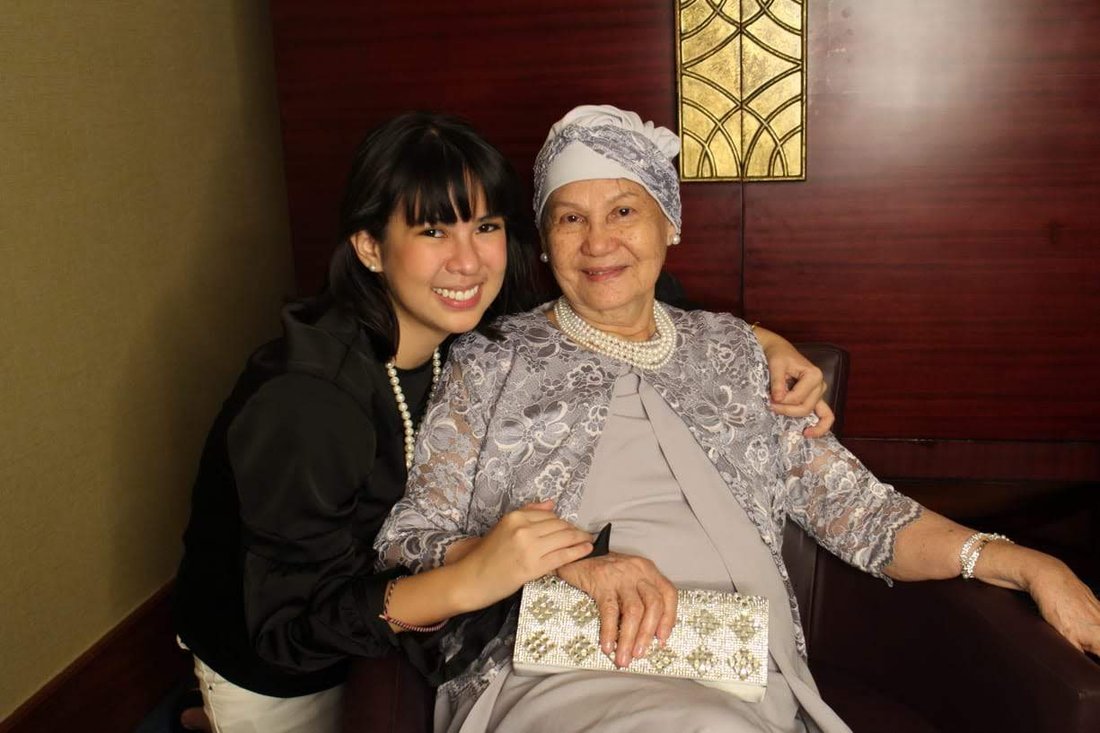
The life of Amelia made immortal somewhere in between all that salt, tuna, pasta, garlic, and cream.
Okay I don’t know how to end this but that was a lot to write. I am so tired. Hahah, ok bye for now.
[Written in 2018 and sent to my father, to read aloud to my grandmother in Manila on her birthday, while I was in Spain. Composed in one sitting, over coffee, at my favorite café in Sanlúcar — never edited.]