They Must Not Thirst
Common Ground at Dominion Cellar — two chefs, five wines, and one notebook that gave up somewhere around the lamb.
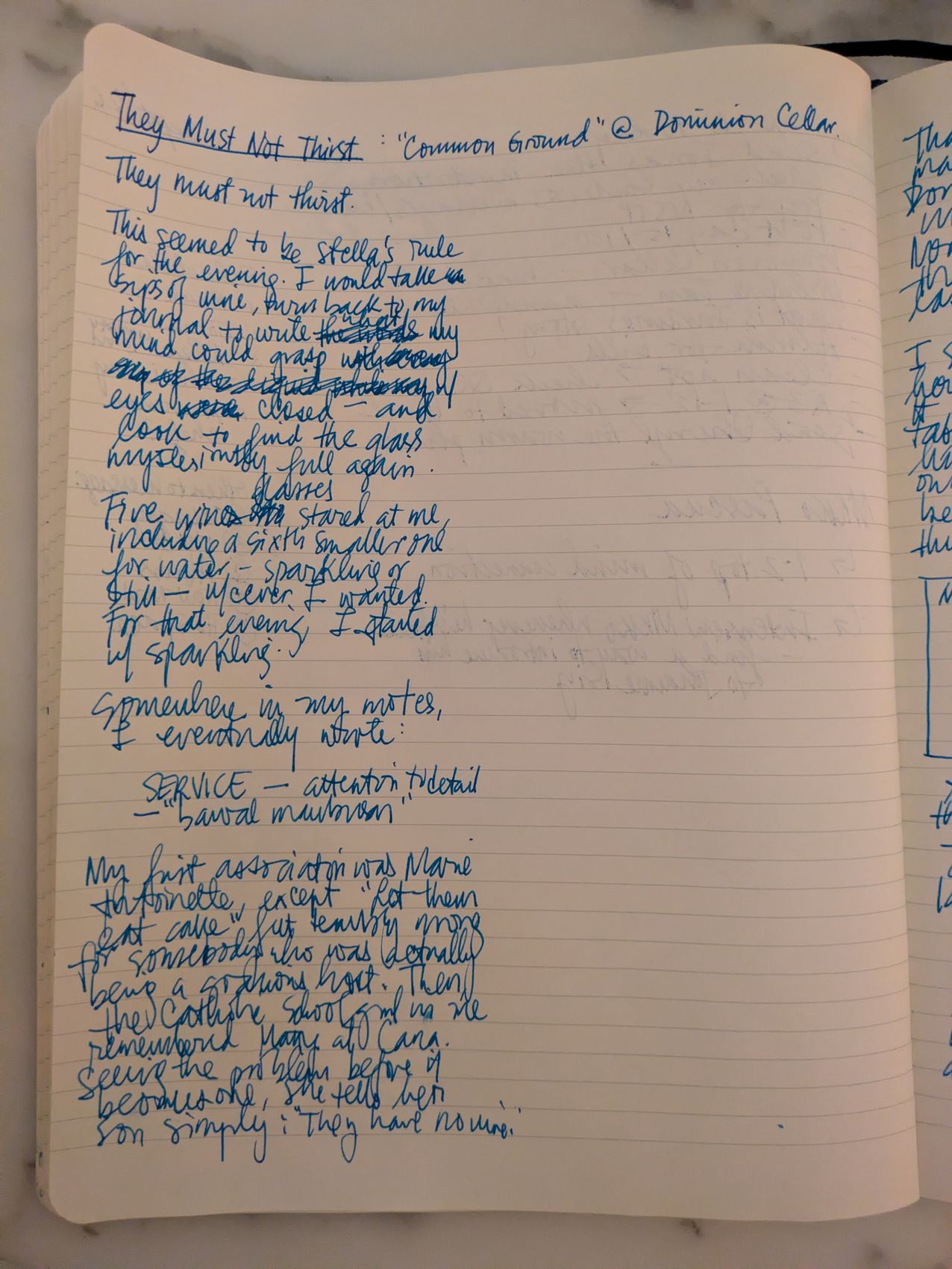
They must not thirst.
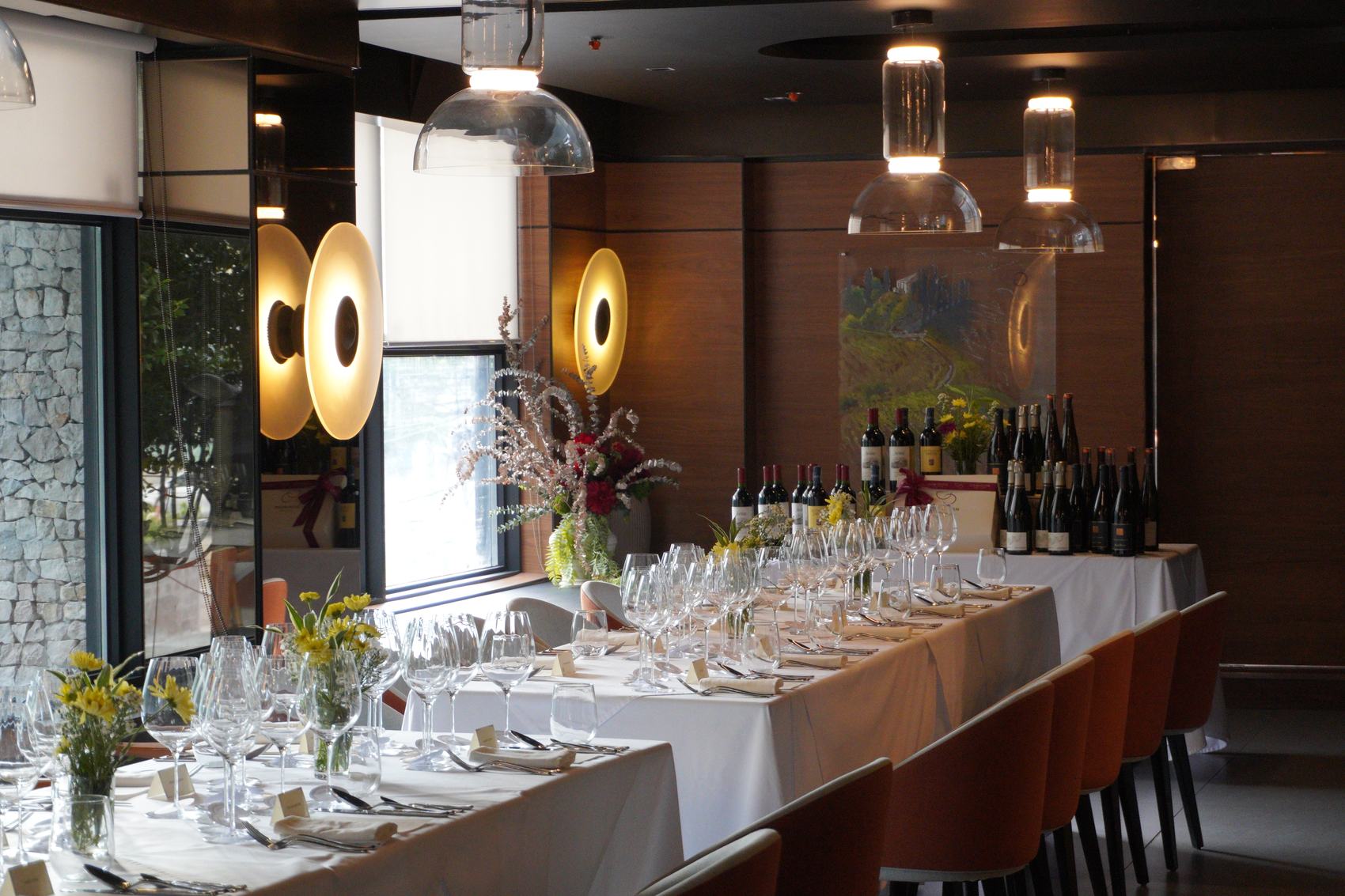
This seemed to be Stella's rule for the evening. I would take a sip of wine, turn back to my notebook, then look up and find the glass mysteriously full again. Five wine glasses stood in front of me, plus a sixth for water. Eventually I wrote: SERVICE: attention to detail. Bawal maubusan — her actual instruction to the floor.
The Catholic schoolgirl in me remembered Mary at Cana. She notices the problem before it becomes everybody else's problem and tells Jesus simply, "They have no wine." Stella Sy, who consults for the cellar on service, seemed determined that nobody at that table would have to say the same. My table had ten seats. Sixty glasses, and the ever-changing plates beside them.
I attended Common Ground as a guest of Dominion Cellar. What I did not know at the start was that I would need the wine for more than drinking. It became something I could return to whenever the food took me somewhere I did not quite recognize.
The funny thing was that the food making me feel most lost was the food I thought I had some claim to understanding. I am Filipina. Sambal is not unfamiliar to me. Neither is fish sauce. I have eaten rendang. Yet Chef Rhea Rizzo kept taking things I recognized and moving them just far enough that I had to look again.
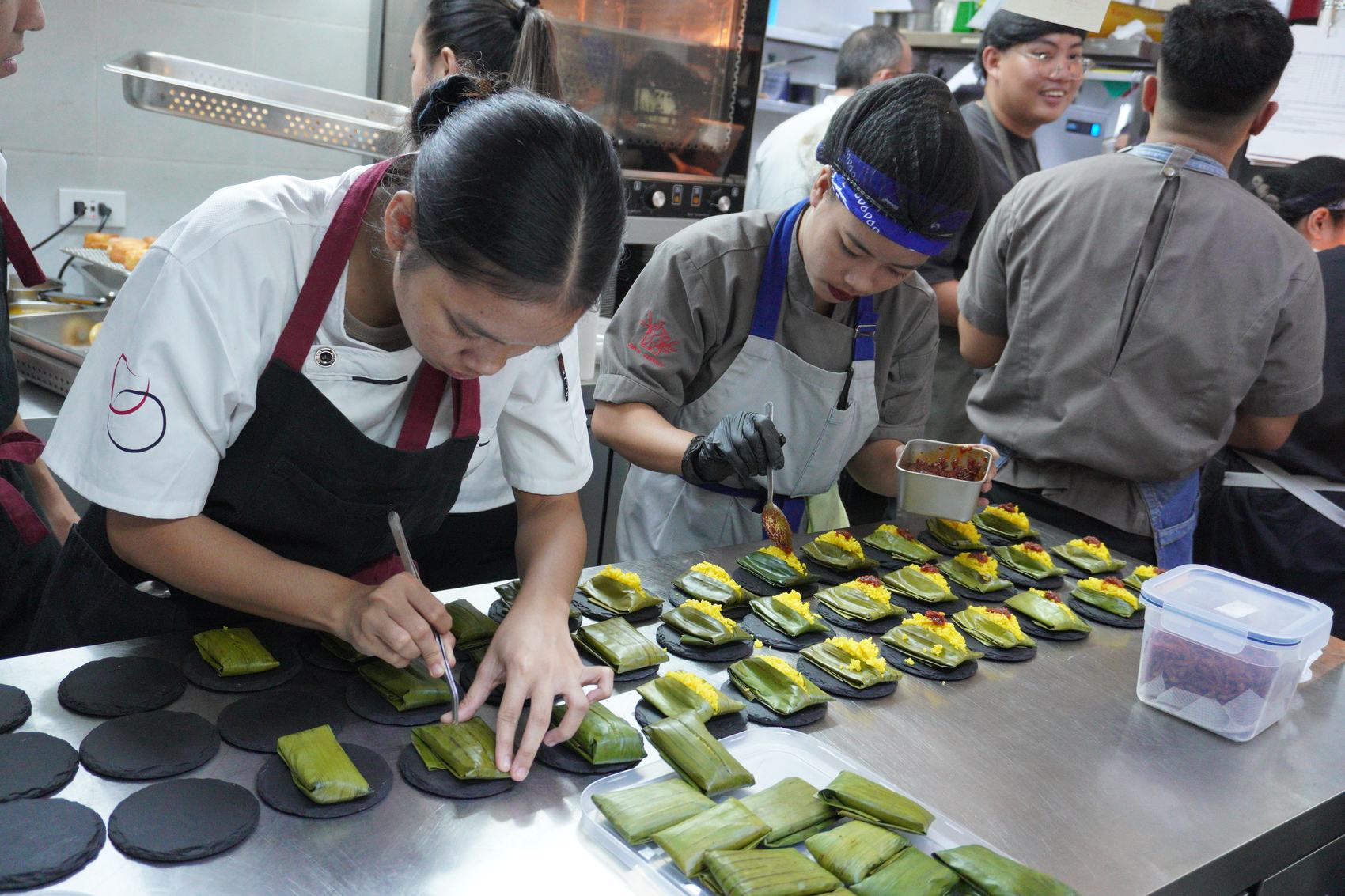
On my "big picture" page I had scribbled a line from her closing remarks: tour of Asia through the palate. I laughed, because I would have written it myself anyway. Then: why were parts of Asia making this Asian feel like a tourist? The lumpia of my childhood did not issue me a visa to the whole landmass. Even sambal was already correcting me. Rhea's gulai ayam came with sambal embe, and it was not the one I know. What even is embe? I need to Google this! Cooked? Raw? Shallots? Chili? Which island? Suddenly saying I know sambal felt about as useful as saying I know sauce.
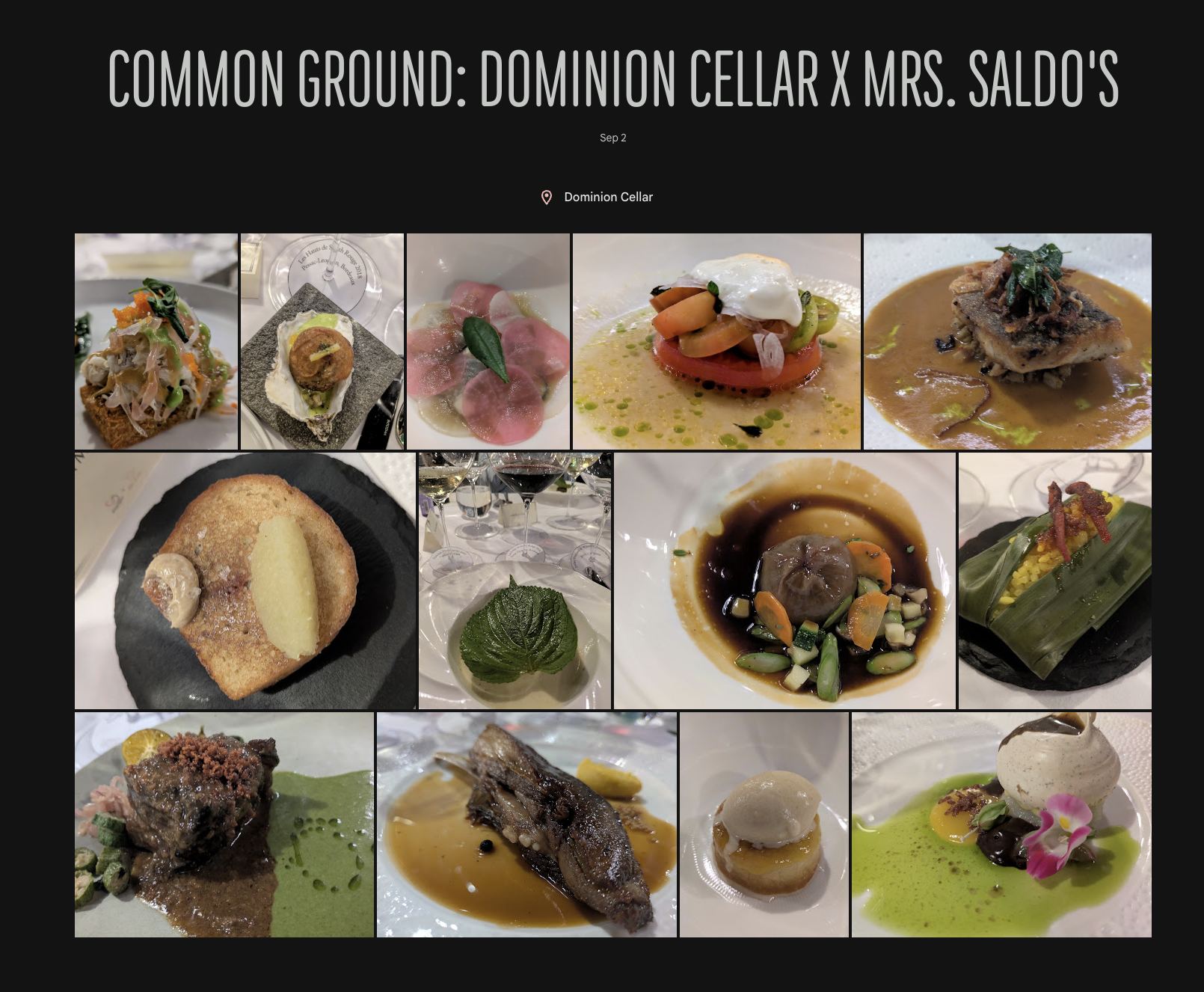
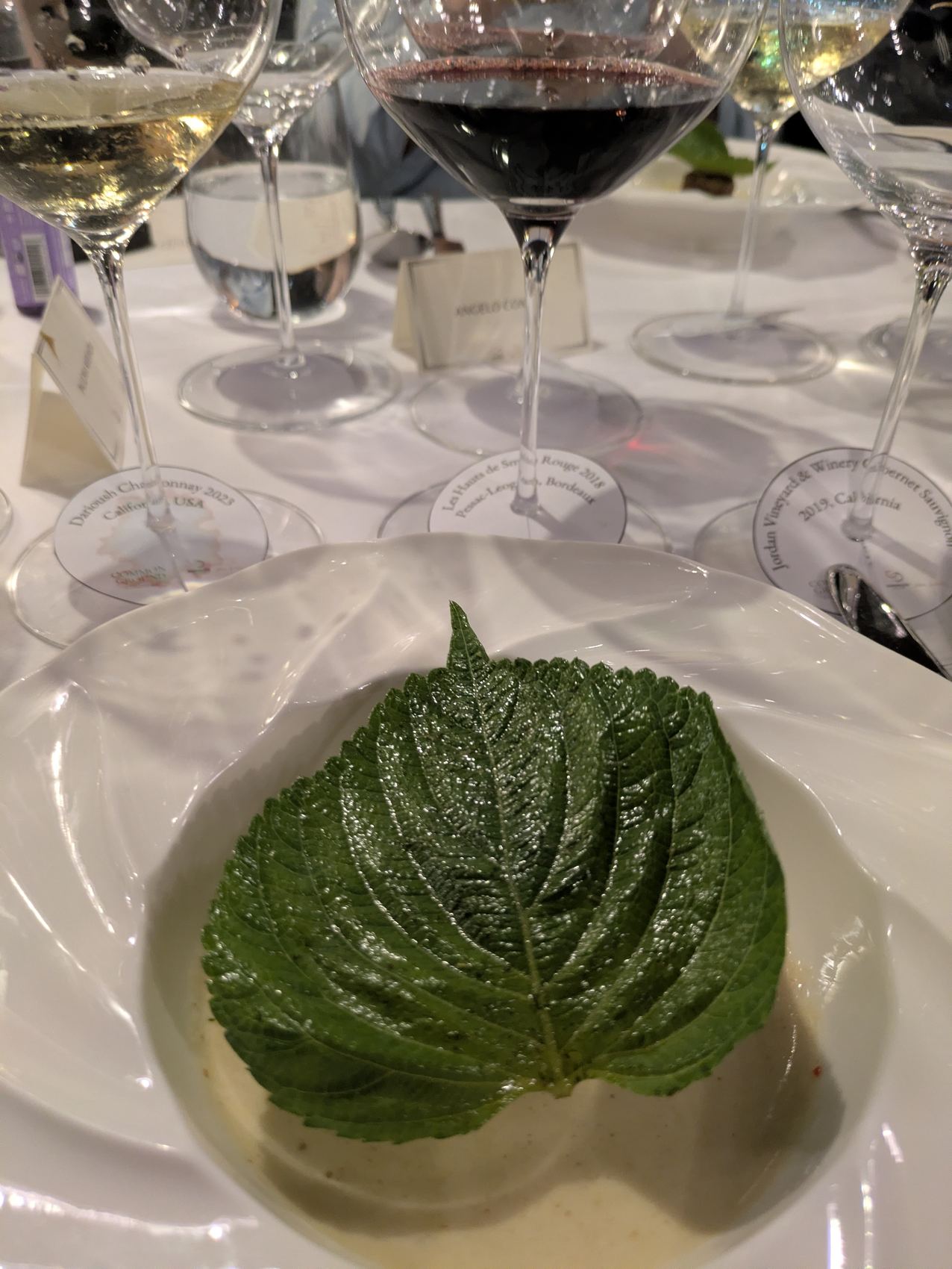
The bun cha alone had me working out what exactly I was eating: nuoc cham, etag espuma, fish sauce on the printed menu, a little patty-looking thing my brain immediately filed under burger? And then the leaf on top. Knowing an ingredient is not the same as knowing what another cook intends to do with it.
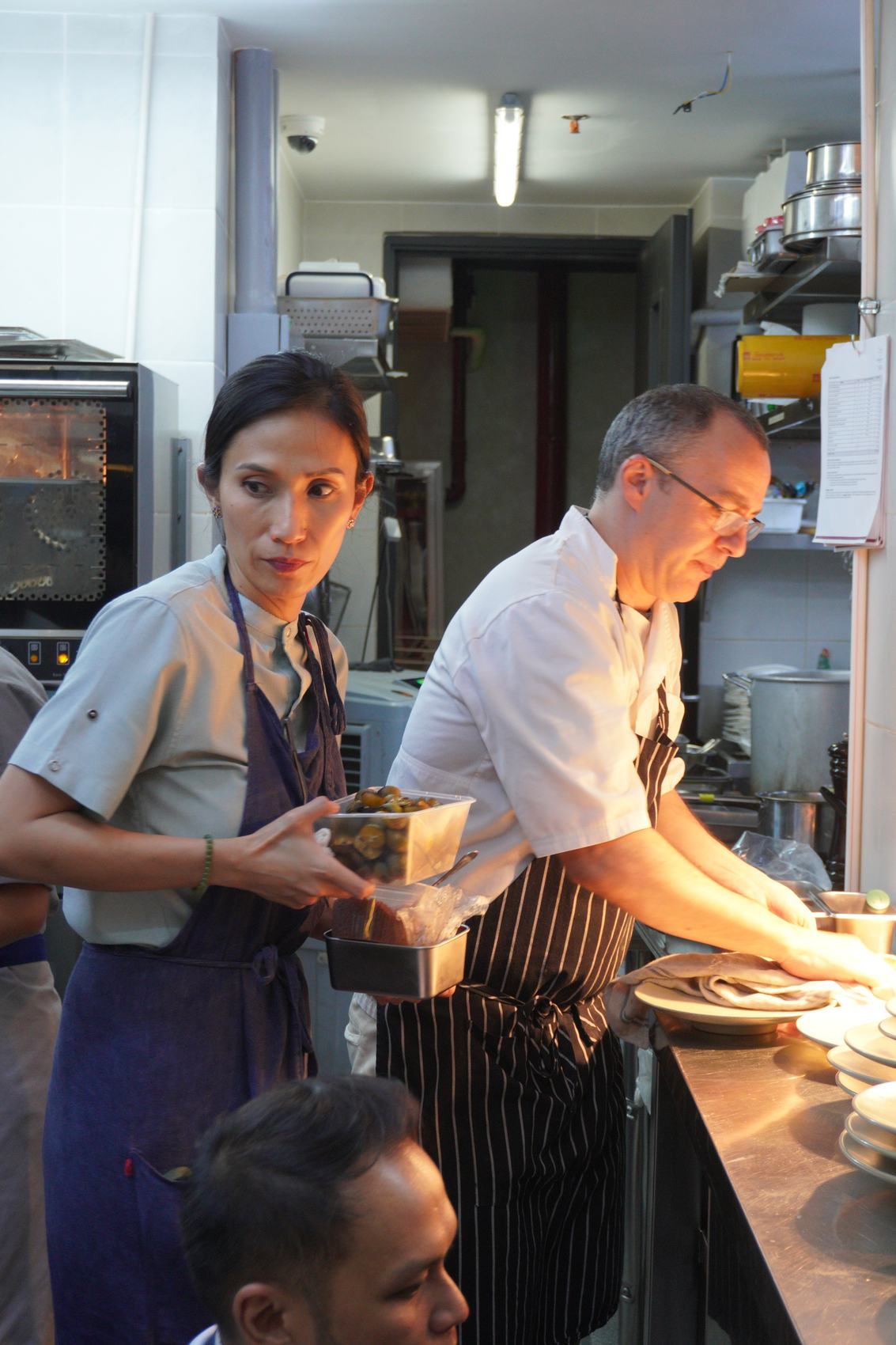
Chef Carlos Garcia's food was different territory, because I had been there before. A year earlier, in this same cellar, I had eaten his food without knowing who had cooked it, given one bite an Oscar, then actually run to the kitchen to find the chef responsible. I met Carlos not because I was looking for him, but because the food had already found me.
This time I knew whose food I was eating, which somehow made the Heirloom Tomato more surprising, not less. It came with whipped burrata, goat cheese and whey reduction, which made me squeal as it landed on my tongue. Then came the tomato, and I was back in the kitchen of my student Maria's mother, listening to her tell me about her grandfather, his hands dirty from tilling the soil and harvesting the olives and tomatoes, how the lemons in our limonada came from trees he planted himself. The strange intimacy of eating something whose history could be traced not simply to a supplier or a menu, but to somebody's land.
The hissing of a pressure cooker in Spain almost a decade ago, and the freshness and wetness and firmness of that tomato, arriving in the same moment.
Then I looked at the menu again: Heirloom Tomato.
I asked Dominion about the tomatoes afterward. They were local. What had come from Spain were Carlos's handpicked ingredients: the olive oil, the sherry, the vinegar.
Rhea's dishes kept making me work out why something I thought I knew felt new. Carlos gave me something immediately recognizable and somehow made me look at it again anyway.
By then I had started wondering what exactly was supposed to be common about Common Ground. I did not get far, because another course arrived, another glass was filled, and I had begun developing my own highly questionable wine vocabulary.
I kept writing washing.
Whenever I write about drinks, I try not to summon WSET or coffee vocabulary. I imagine myself as Hemingway or Li Po, experiencing life as poetry and writing it drunk. Something rich would arrive — the foie gras, for example. I would drink. Whatever had been sitting heavily in my mouth would shift, and there was that word again: washing. My other notes included the bluntness to counter the acidity and the particularly useful dry & wet? My mouth understood it before my vocabulary did.
I asked afterward how the pairings had been built. Cherry Leguira, the cellar's wine consultant, had chosen them with the team and both chefs while the menu was still moving. The wines, Dominion told me, were meant "to help create the rhythm of the dinner rather than feel like five individual bottles." Each one had to answer to two cooks at once. Cherry, they said, was looking "less at textbook pairings and more at wines versatile enough" to connect the two — sometimes through acidity, sometimes through contrast. Not a bottle chosen for a plate, but a bottle asked to meet a foie gras and a rendang on the same evening.
I mostly noticed that somewhere between the first bubbles and the reds, dinner had put on weight. Foie gras. Beef. Lamb. Rendang. Smoke. Fat.
So had I. This became increasingly relevant because I had been wearing the same teacher skirt all day.
Under FOOD I had written: an adventure for the palate. TOUR E & W. An adventure sounds romantic until you remember adventures can also be tiring. Sometimes I love a familiar thing arriving foamed, powdered, frozen, at a temperature my brain did not prepare for. Sometimes my nervous system would like a brief meeting to discuss what exactly is happening.
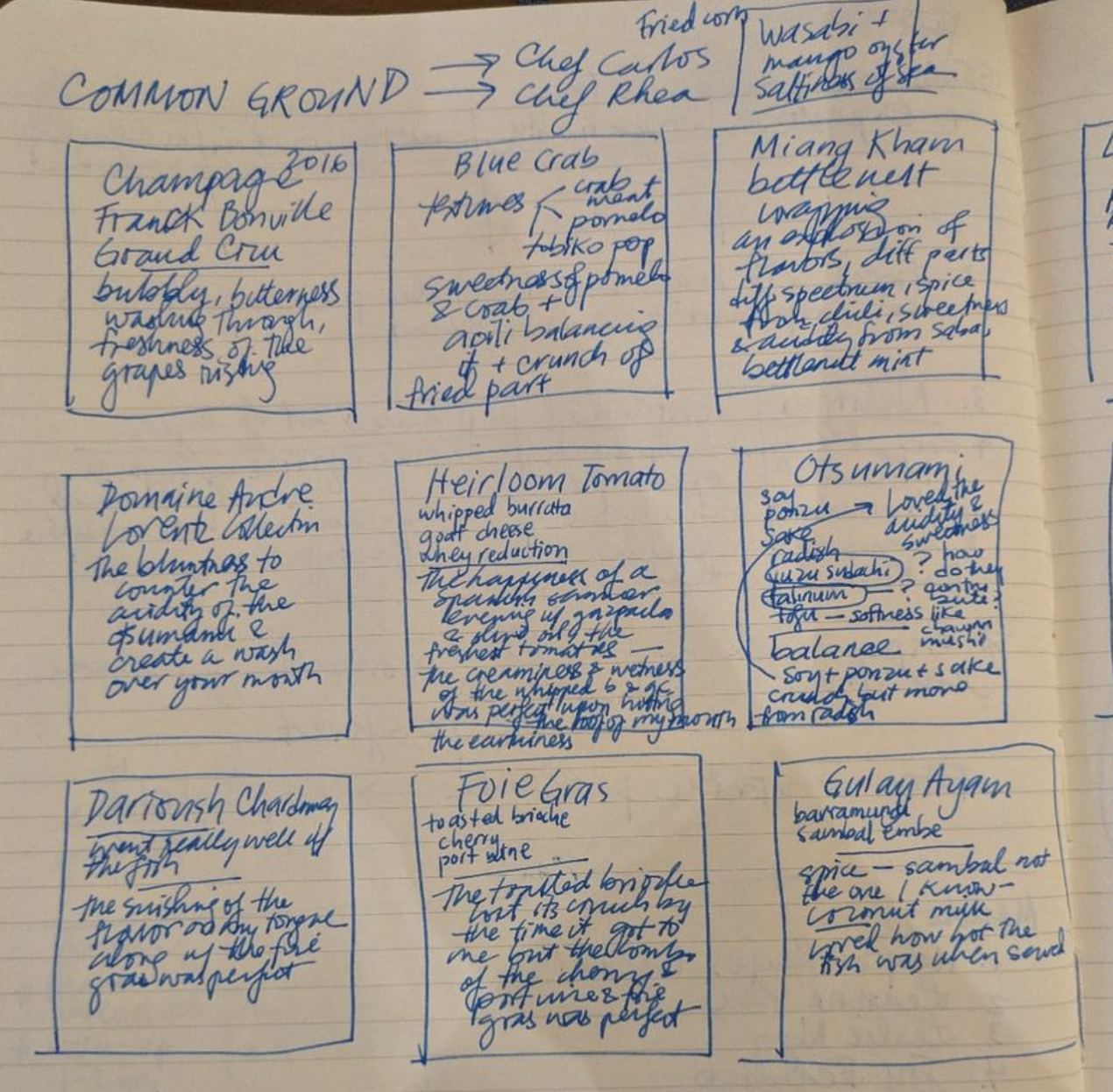
There were moments when I caught myself thinking something probably inadvisable at an expensive dinner: I have eaten home-cooked food that made me happier.
Then I had to ask what I meant by happier. On the day I graduated, lunch was my all-time favorite buffet at a five-star hotel in Manila. Dinner was fried galunggong, chopsuey and rice at the table of a childhood friend whose family I love. Two meals with nothing in common, and the happiness was the same. Apparently I had been filing happiness under recognition. This dinner was not less pleasure. It was pleasure I could not name yet, and my tongue kept reporting that as difficulty. I labeled it curiosity and let it simmer the way I do when I cook rice.
I was also not helping myself. With the foie gras, I became so busy taking notes on the cherry, port wine, Chardonnay and whatever was apparently being washed that I forgot about the brioche sitting beside everything. By the time I ate it, the crunch I expected was gone. Was it meant to be soft? Had it arrived that way? Had I simply spent too long taking notes while my bread quietly died beside me?
I asked. Dominion checked with the kitchen: it was meant to have "both crisp and soft textures." So it had arrived exactly as intended, and I had sat there busy refilling my pen with ink. As my cousin would say: "Ate, eat the food hot!"
By then the room had gotten louder. People were comparing bites, asking what somebody else tasted, insisting something be tried again with the wine. Beside the bun cha I wrote, with complete conviction: the leaf was necessary. I still stand by this.
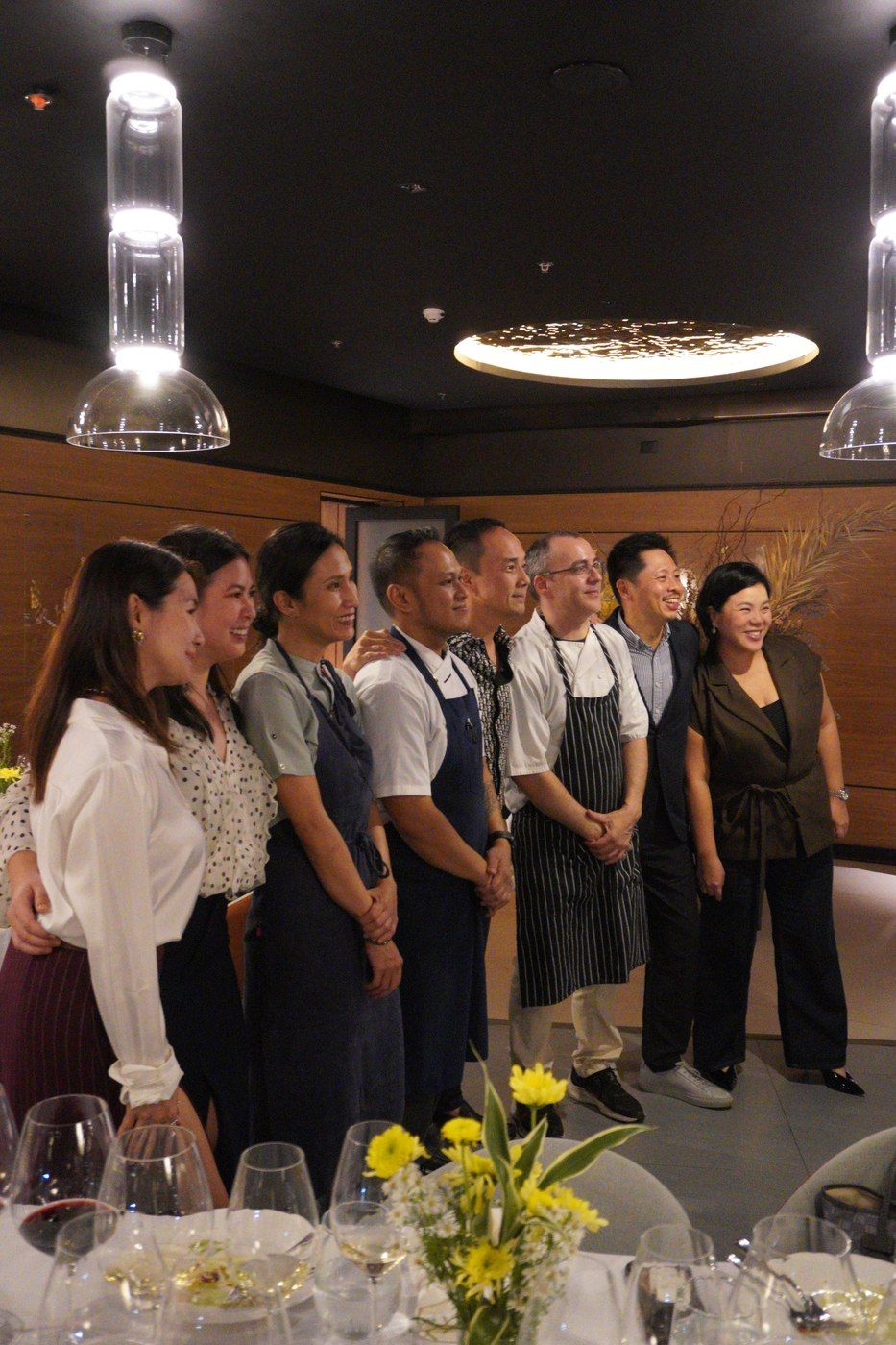
The whole dinner began to feel like a group assignment where everybody had the same material and nobody had the answer key. Not what is the correct interpretation of this expensive tasting menu? More like: Wait, what happened when you ate yours?
Stella, meanwhile, continued operating under bawal maubusan. My tablemate Suki pointed out that my notes became shorter as the evening went on. He was not wrong. I maintain this was not entirely the wine. I was also so full that my A-line teacher skirt had begun making its own objections known.
Then the Rum Baba arrived.
Roasted pineapple, salted caramel, butterscotch ice cream, rum. I could explain the textures, why the pineapple somehow became little apple-like pieces in my mouth, what balanced what. I could research the history of the dessert, trace where it traveled, figure out why it worked.
Thankfully, I have primary-source material from the person who actually ate it.
My notebook says:
FAVEEEEE YESSSSS
PERFECT!!!